- Decode with Adrija
- Posts
- India's AI Summit Was a Trade Fair Dressed in Sanskrit
India's AI Summit Was a Trade Fair Dressed in Sanskrit
The India AI Impact Summit promised welfare for all and delivered a wave of investment announcements.

Adrija Bose
February 25, 2026 • Estimated Reading Time: 4 minutes
In partnership with

On the first day of India's AI Impact Summit, I looked through the session titles and realised there's some AI for everyone — children, women, healthcare, even the cement sector.
Delegations, founders, ministers, students found their way into that maze where food counters didn't accept UPI. At a summit where India's digital payments stack was being showcased as a model for the world. That small irony should have been a preview of the week ahead.
The India AI Impact Summit, held at Bharat Mandapam from February 16–21, was the fourth in a series of global AI summits — after Bletchley, Seoul, and Paris — and the first in the Global South. Over 20 heads of state. CEOs of OpenAI, Anthropic, Google, Microsoft. Delegates from 88 countries. 250,000 registered visitors. Official theme: Sarvajan Hitaya, Sarvajan Sukhaya — welfare for all, happiness of all. Posters across Delhi declared: "For India, AI stands for ALL INCLUSIVE."
So, what actually happened?

The Investment Summit No One's Calling an Investment Summit
Strip away the Sanskrit, and what remains is capex.
The summit's biggest, most unambiguous outputs were financial. Reliance and Jio pledged $110 billion over seven years. Adani matched it with $100 billion for AI data centres. Microsoft announced it's on track to invest $50 billion across the Global South by 2030. OpenAI partnered with Tata for a 100-megawatt compute deployment, with eyes on 1 gigawatt. The government declared it wants $200 billion in AI infrastructure investment by 2028.
The official outcome document was the New Delhi Declaration — a nonbinding agreement signed by 88 countries, including the U.S. and China, calling for inclusive, human-centric AI. High ambition, thin details. No binding commitments. No mechanism to address the fact that the U.S. and China together control roughly 90% of global AI computing infrastructure.
The declaration called for democratisation while the summit's biggest announcements were about who gets to build the next tier of that same concentrated infrastructure.
“So many risks, from child safety to national security risks to loss of control, were discussed in the corridors with greater urgency than ever but didn’t make it to the official outcome.”
AI Sovereignty: A Very Catchy Buzzword
"Sovereignty" was the word of the week. Every keynote, every panel. I learned the word. I still have no idea what India actually intends to do about it.
Prime Minister Narendra Modi introduced his M.A.N.A.V framework — moral, accountable, sovereign, accessible, valid. The U.S. sent Michael Kratsios from the White House Office of Science and Technology Policy, who was quite straightforward about what "sovereign AI" means in Washington's vision: adopt American technology as your backbone, then build on top. "Real AI sovereignty means owning and using best-in-class technology for the benefit of your people," he said.
What he meant was: best-in-class American technology.
Meanwhile, Yoshua Bengio, whose international AI safety report remains one of the most substantive governance documents circulating globally, never made it to the main stage. He was stuck in VIP motorcade traffic for 45 minutes and ended up delivering his remarks via blurry video link from the Canadian Embassy.
A Child Safety Panel I Can't Stop Thinking About
The session on AI and children deserves its own paragraph. Sanjeev Sharma from the National Commission for Protection of Child Rights was asked what NCPCR is doing to keep children safe and hold systems accountable.
He started with a child who died by suicide after becoming emotionally dependent on ChatGPT. Then pivoted to the Poshan Tracker, which he called an AI tool that has improved children's health. (There's no data to actually support that.) Then: yes, CSAM is a huge problem in India, so NCPCR is building an AI tool to detect which platforms are distributing child sexual abuse material.
And finally: mental health. NCPCR runs a teletherapy helpline but struggles to find human volunteers — so they are, he announced, going to replace them with AI. A study suggests AI is 89% accurate for mental health counselling, so it should be fine.
I looked around, confused. Everyone seemed to be nodding.
DPI: India's Greatest Export And Most Convenient Blind Spot
Digital Public Infrastructure was India’s soft-power showcase at the summit. Aadhaar, UPI, the whole stack. Visitors from outside India were visibly excited. But what didn't follow that excitement into the room was accountability. Specifically, who gets left behind when the infrastructure fails or excludes.
The "welfare for all" tagline felt hollow against that silence.
My reporting on APAAR, India's new student ID system linking school records to Aadhaar, found that beneath the headline figures are millions still uncounted, their academic futures hanging in limbo for want of a single digital record that is, officially, "voluntary." In Jharkhand, a 13-year-old named Sana has been locked out of the national education database because of a data entry error made years ago at an Aadhaar enrollment drive. Her mother has made the trip to Ranchi multiple times. Each visit produces a new impossible demand.
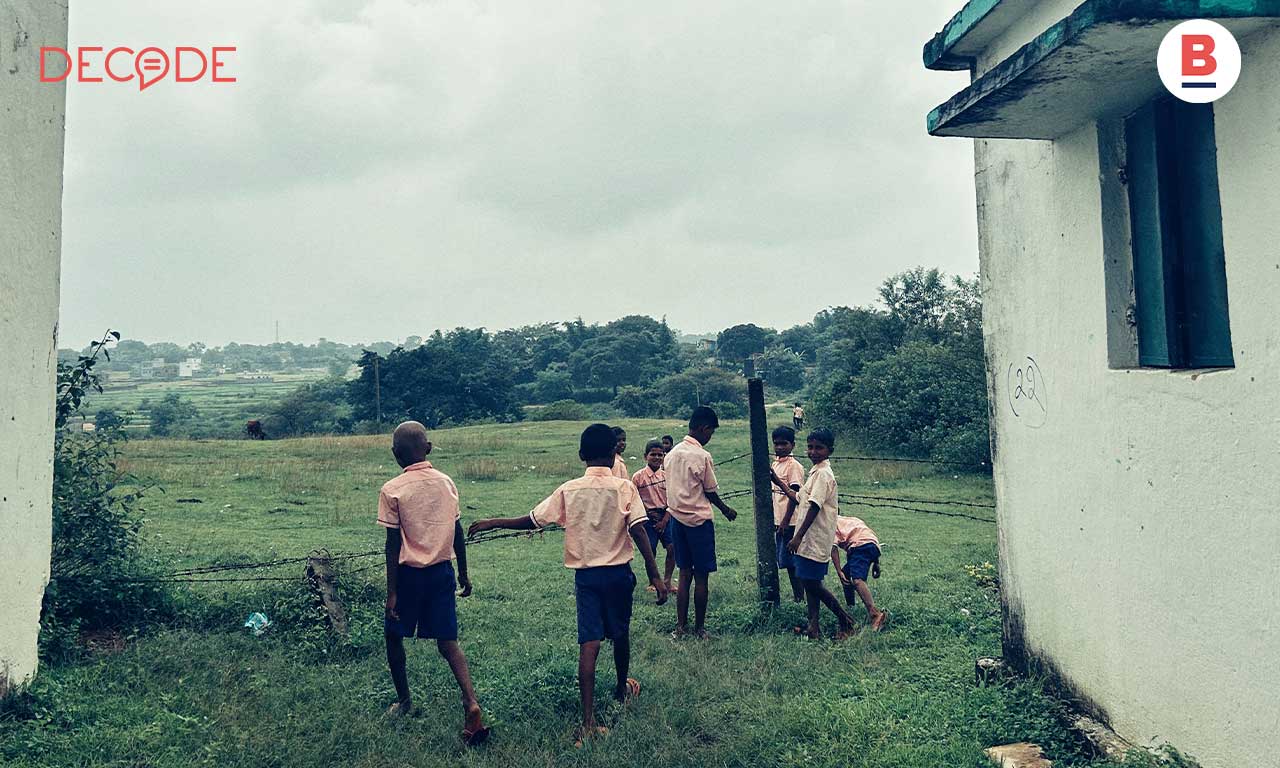
It is a crisis born of grand technological visions stumbling over India's complex social realities — and it got no panel at a summit claiming to build AI for everyone.
A World Record, Nevertheless
"Some policymakers described the event as a natural progression from the Paris summit," Fortune reported, noting that Paris had already "kicked off the shift in priorities from governance to commerce" and left these gatherings "feeling more like a trade fair than a diplomatic gathering."
That tracks. The title shift alone is telling: Bletchley was about Safety. Delhi was about Impact. The word change isn't semantic. It's a policy position.
India set a Guinness World Record this week — most pledges for an AI responsibility campaign in 24 hours. 250,946 pledges. The campaign was sponsored by Intel. The irony of measuring responsible AI by a corporate world record, sponsored by a chip manufacturer, was apparently lost on everyone involved.
A summit held in the Global South, with the stated ambition of shaping AI for the world's majority, could have asked different questions. What protections exist for the worker whose job disappears? What recourse does Sana in Jharkhand have when a system error erases her from the national record? What does sovereignty actually mean when 90% of the compute is elsewhere? Who holds the AI company accountable when the mental health chatbot gets it wrong?
Those questions were in the corridors. They just never made it to the stage.
I don’t have a reading list this week — talking and listening have done enough. So, until the next edition.
Got a story to share or something interesting from your social media feed? Drop me a line, and I might highlight it in my next newsletter.
See you in your inbox, every other Wednesday at 12 pm!
MESSAGE FROM OUR SPONSOR
Speak fuller prompts. Get better answers.
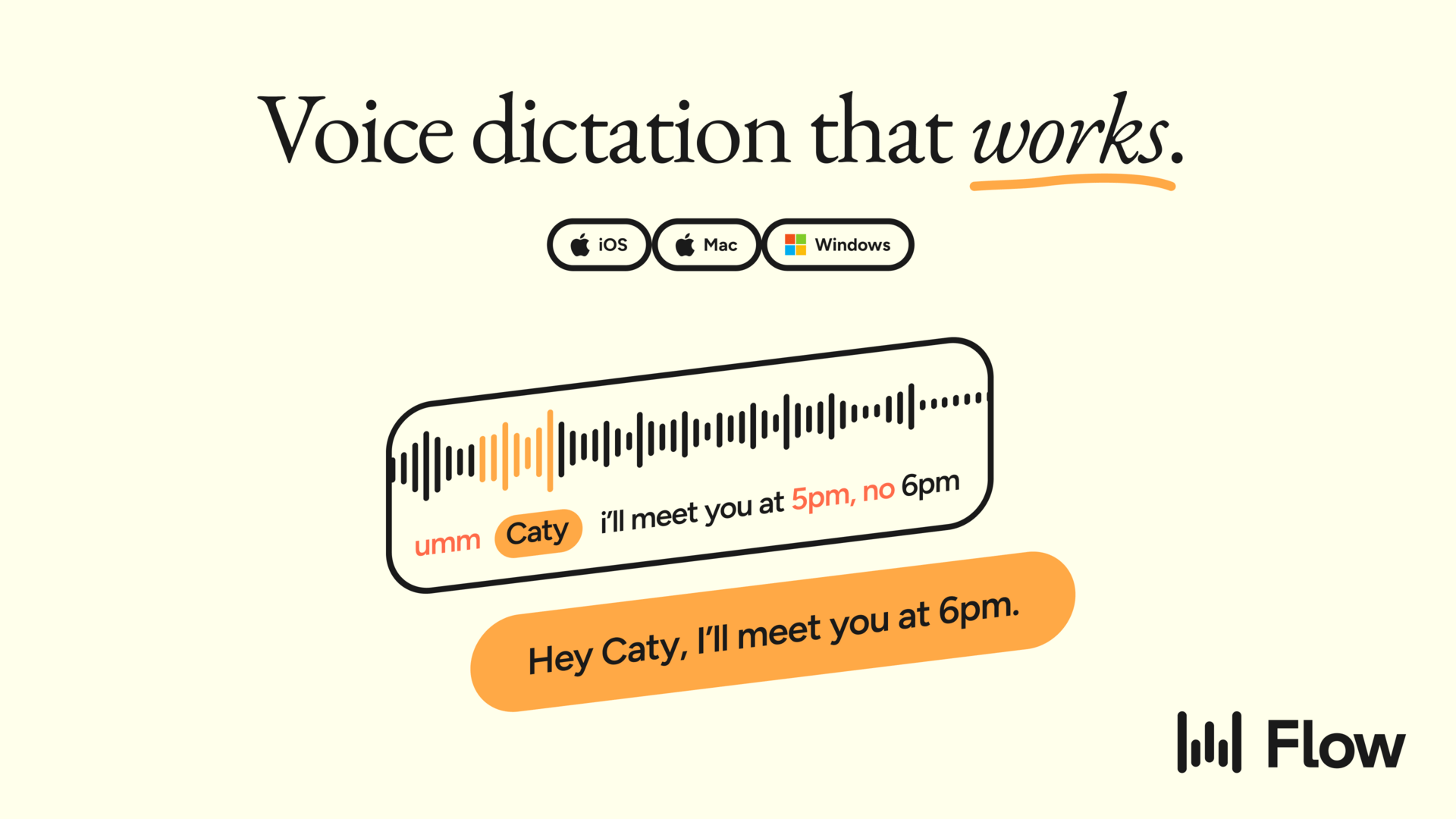
Stop losing nuance when you type prompts. Wispr Flow captures your spoken reasoning, removes filler, and formats it into a clear prompt that keeps examples, constraints, and tone intact. Drop that prompt into your AI tool and get fewer follow-up prompts and cleaner results. Works across your apps on Mac, Windows, and iPhone. Try Wispr Flow for AI to upgrade your inputs and save time.
Was this email forwarded to you? Subscribe